
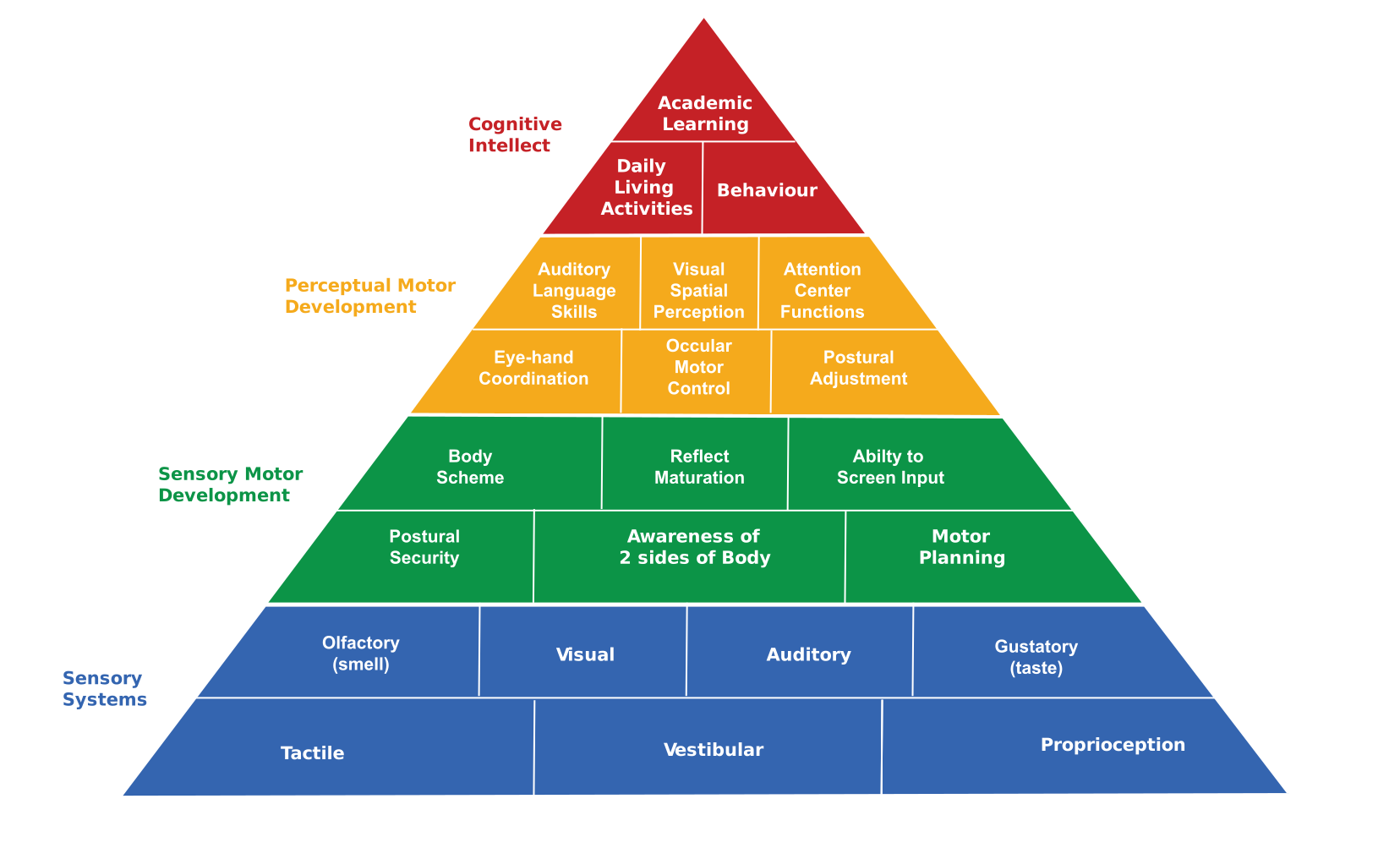
The Early Action Compass (EAC) is built on the understanding that for children to learn well, their body and brain systems must develop together. Early sensory and motor foundations support attention, regulation, language and social engagement, forming the base of the “Pyramid of Learning” on which academic progress depends (Taylor & Trott, 1991).
What makes the EAC different is that it takes this science and turns it into a clear, visual developmental profile at school entry, making visible the sensory, motor, perceptual and regulatory foundations that often remain hidden in traditional assessments. Instead of beginning with academic outcomes, the EAC offers a needs-first, holistic, research-informed view of each child’s developmental strengths and emerging needs. This understanding is paired with practical, evidence-based interventions, enabling teachers to respond early and purposefully, before gaps widen and long before diagnostic pathways become the only route to support.