
The Early Action Compass (EAC) is founded on an idea by Dr Penelope Hannant, Assistant Professor in Educational Inclusion at the University of Birmingham. Drawing on nearly thirty years of experience as a headteacher, SENCo, specialist teacher in autism and speech and language support, developmental psychologist, and leader of the university’s dyslexia and literacy programme, Dr Hannant conceived the EAC as a way to bridge the gap between the information schools currently collect when children first start school, and the deeper developmental needs that may not yet be visible through academic or behavioural indicators.
What Makes the Early Action Compass Different
While the vision originated with her, the development of the EAC was shaped and refined with the insight of paediatricians, occupational therapists, speech and language therapists, academic professors, early years teacher-trainers, experienced educational psychologists and, crucially, the early years teachers who work with children every day.
Together, these professionals contributed a vital collective understanding, integrating expertise in neurodevelopment, sensory and motor foundations, communication profiles, early years pedagogy, and classroom practice.
It is this rare synthesis of expertise that sets the Early Action Compass apart. Rooted in research, informed by both clinical and educational perspectives, and grounded in the lived experience of teachers, the EAC is academically robust yet practical to use, an idea that began with one person, strengthened through the deep, collective insight of many. From this integrated foundation, the Early Action Compass was born.
Tip: Why the Palmar Reflex can affect learning
The palmar reflex is just one example as to how development can affect learning. It helps infants grasp and should integrate in early childhood. When it doesn’t, children may grip pencils too tightly, tire quickly during writing, struggle with mark‑making, or avoid handwriting tasks. These are neuromotor issues, not ability issues.


Amelie, age 4, avoids mark‑making and says her hand “hurts.” Her teacher wonders about fine‑motor weakness, but it could be a retained palmar reflex and fatigue during precision tasks. Sensory‑motor activities were given to reduce tension, improve grip, and Amelie begins choosing writing tasks independently. Developmental insight prevents mislabelling and enables early support.
How to Measure Palmer Reflex Retention:
- Ask a child to stretch their arms out in front of them so they’re straight, with hands open and palms facing upward.
- Using your finger, gently run a line across the main crease of one palm, beginning in the space between the thumb and index finger and moving toward the wrist.
- Repeat this motion three times. As you do so, watch for small reactions, such as the fingers tightening or the elbow drawing inward.
- Then repeat the same steps on the other hand. If you notice movement in either arm or hand, it suggests that this reflex may still be active.
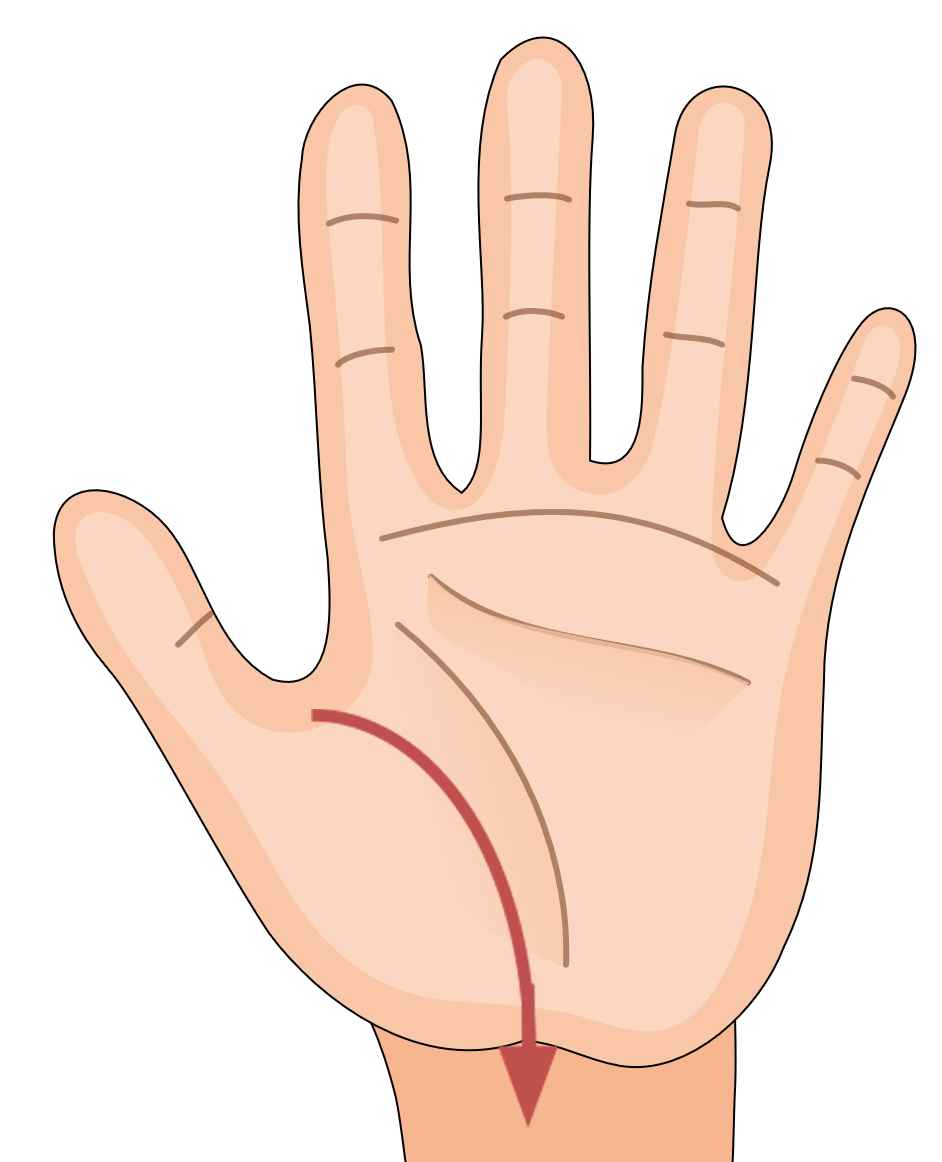
Exercises to support the integration of the palmer reflex include ‘Finger-to-Thumb’ taps, squeezing putty, finger-tip presses and crawling.

The Early Action Compass will empower you to act early, enabling you to identify barriers to learning before they even emerge.